Anthropic Wins Injunction Against Trump: What It Means
Artificial intelligence is shaping our world faster than ever, and with it comes conflicts that affect everyone—from tech companies to everyday users. Recently, Anthropic, an AI research startup, won an injunction against the Trump administration over restrictions tied to the Defense Department. But what’s behind this legal move, and why should you care?
Key Takeaways
- A federal judge ordered the Trump administration to rescind certain restrictions placed on Anthropic.
- The injunction protects Anthropic’s ability to work with the Department of Defense (DoD).
- The case highlights how government policies can impact AI development and innovation.
- This legal win raises questions about balancing national security and AI progress.
- Everyday users might be affected by how such policies influence AI products and services.
What Happened: Anthropic’s Legal Win Against Trump’s Administration
Anthropic, known for developing advanced AI models, recently found itself at odds with the Trump administration. The government had imposed restrictions limiting Anthropic’s contracts and collaborations with the Department of Defense. A federal judge disagreed with these restrictions and ordered the administration to lift them.
Effectively, this injunction means Anthropic can continue working on AI projects with the DoD, avoiding a potentially disruptive halt in development. The company argues that these restrictions were arbitrary and harmful to innovation.
This court ruling isn’t just about one company—it reflects the growing tension between government oversight and AI’s rapid growth.
Why Does This Fight Matter? The Bigger Picture Around AI and Government
Governments worldwide are scrambling to figure out how to regulate artificial intelligence. On one hand, there’s a need to ensure AI is safe, ethical, and doesn’t become a tool for harm. On the other, too much red tape could stifle innovation and slow progress.
In this context, Anthropic’s injunction shines a spotlight on how policies can either help or hinder AI development. The Trump-era restrictions were likely motivated by national security concerns. Still, the judge’s decision suggests they weren’t justified in this case.
This clash underscores a bigger question: How do we balance innovation with regulation?
Real-World Example: When AI Meets National Security
To illustrate, look at a fictional city called Techville. Its police department wanted to use AI-powered facial recognition to improve safety and solve crimes faster. The company providing the AI faced government restrictions due to privacy concerns and national security policies.
When these restrictions were lifted after a successful injunction, Techville saw quicker case resolutions and more efficient use of resources. But the process also sparked debates about privacy, bias, and trust in AI.
This example helps show why the Anthropic case matters beyond legal jargon: similar decisions could affect how AI tools reach our communities and how safely they operate.
What This Means For You
You might wonder how a legal battle between an AI startup and the government affects you. Here’s the takeaway:
- AI Innovation Could Accelerate: If companies like Anthropic aren’t bogged down by unnecessary restrictions, AI products you use every day could improve faster.
- Potential for Safer AI: Government oversight aims to prevent misuse, but courts stepping in ensures that regulations are fair and reasonable.
- Your Data and Privacy: As governments get involved with AI, your personal info could be part of the conversation. Stay informed about how policies evolve.
In short, these legal moves shape the AI landscape we all rely on—from virtual assistants to healthcare tools.
Looking Ahead: Balancing Progress and Protection
The Anthropic injunction serves as a reminder that AI’s future depends on finding balance. Too much government control might slow innovation; too little could risk safety and ethics. The ongoing dialogue between courts, companies, and regulators is vital.
For AI enthusiasts, developers, or curious readers, following cases like this offers a window into how technology and law intersect.
What Do You Think?
Are these kinds of legal battles good for encouraging responsible AI growth, or do they risk putting profit before caution? How much control should governments have over AI development? Share your thoughts!
—
You might also enjoy: More on PromptTalk
—
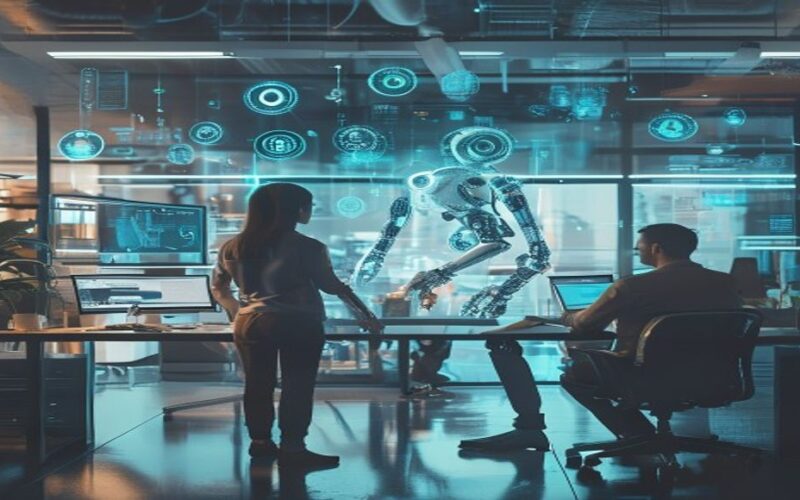
Image: A futuristic office scene illustrating AI development, with the alt text “Anthropic win injunction against Trump to protect AI innovation”